What I build in Webflow
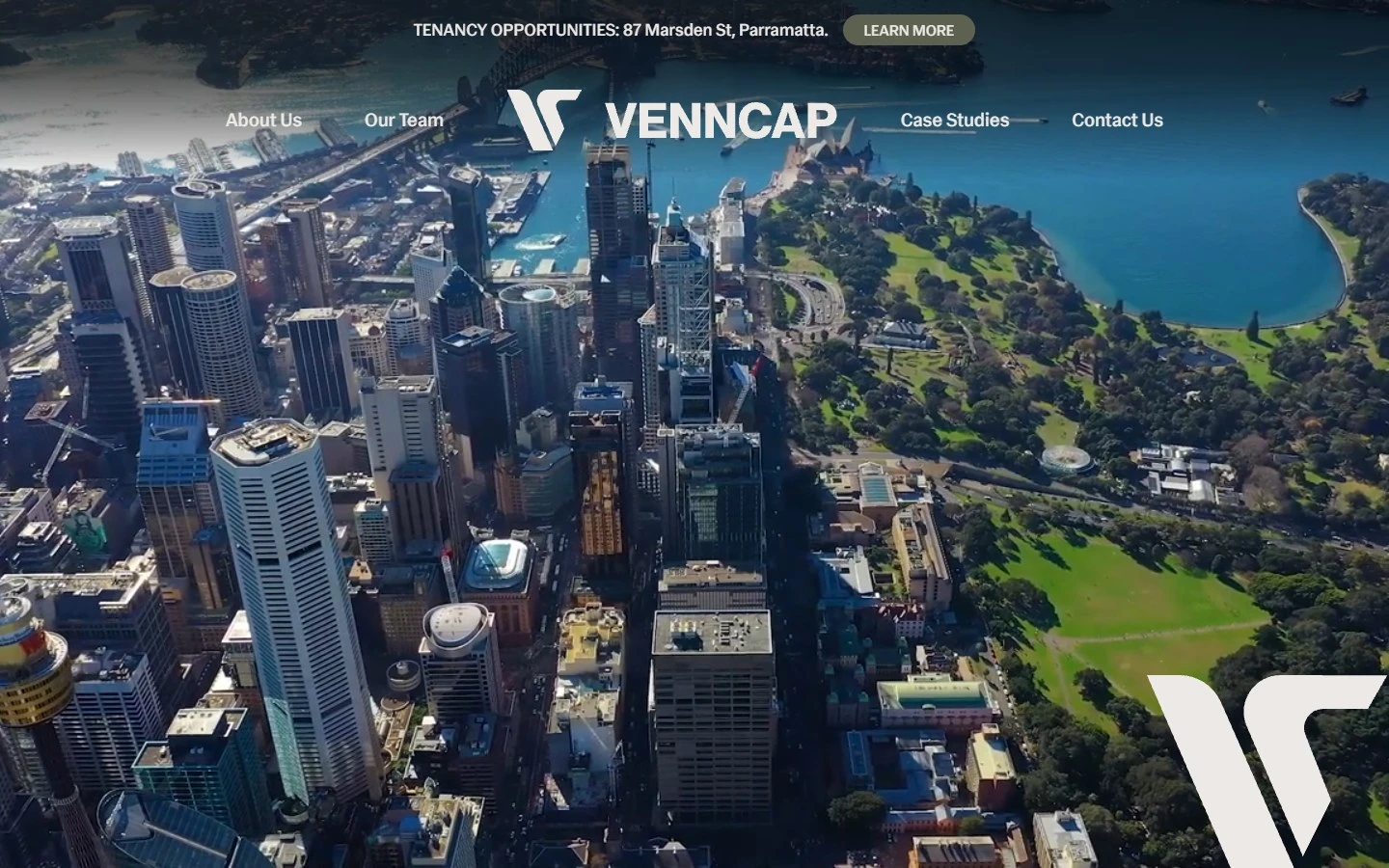
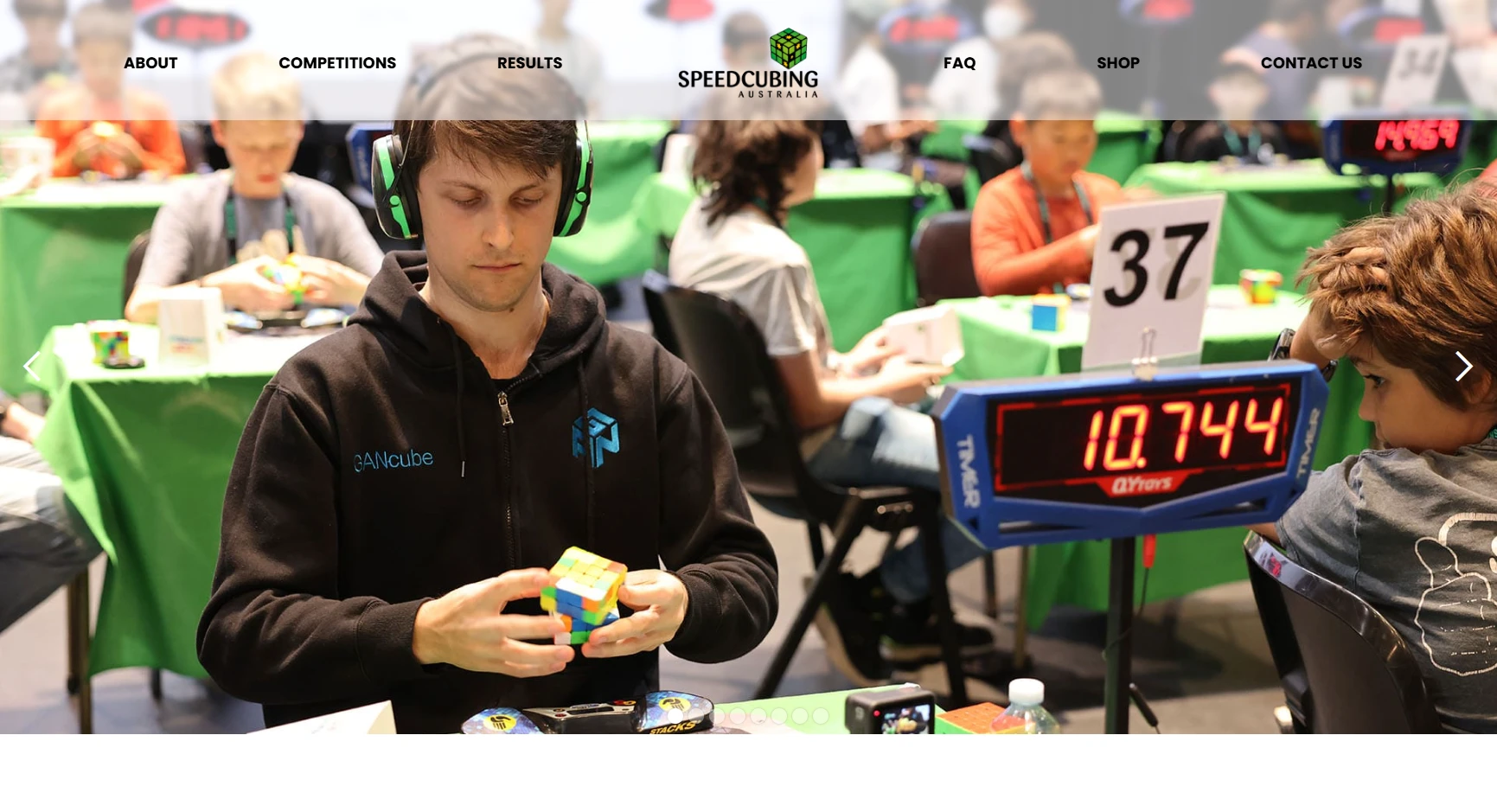
- Custom designs, not templates. Each site starts from the brand. For VennCap Real Estate that meant building a new identity into every page; for Speedcubing Australia it meant turning a brand refresh into a design system of Webflow variables, so future changes happen in one place.
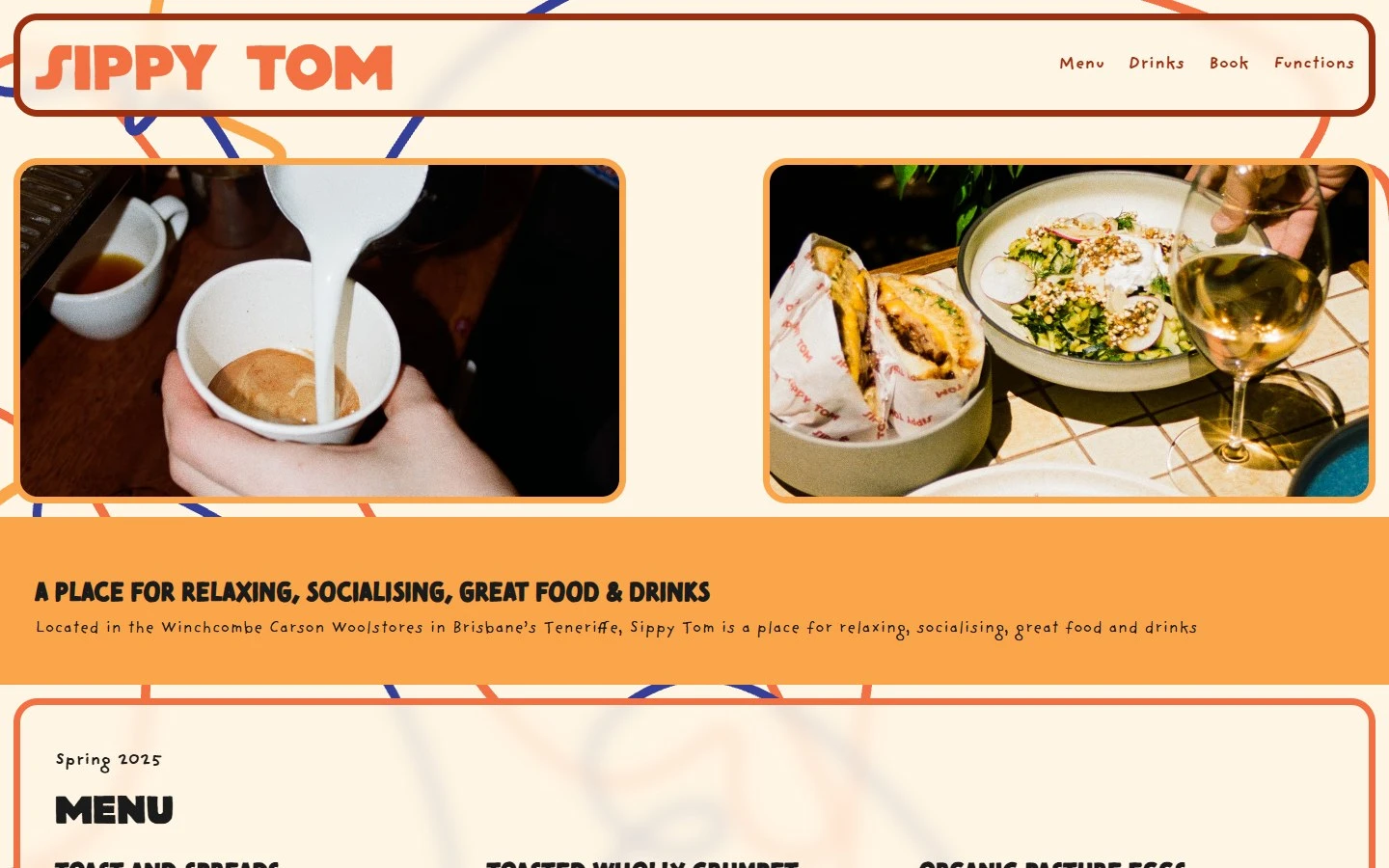
- A CMS your team can run. Sippy Tom's staff update seasonal menus themselves. Speedcubing Australia's volunteer committee manages records, competitions and team members without a developer.
- Integrations and custom code. Booking embeds such as ResDiary, maps, and live data from outside APIs. Speedcubing Australia's competition finder reads the World Cube Association's API directly, so nobody types competitions in by hand.
- Search and accessibility, built in. Written titles and descriptions for every page, structured data, a checked sitemap, keyboard-friendly controls, real form labels and support for reduced-motion settings.
How a project runs
- Discovery and wireframes. Who the site is for, what they need to find, and how the pages fit together.
- Design. In your existing brand, or alongside a brand refresh.
- Build. CMS structure first, then responsive layouts and interactions, tested from phone width up.
- Launch. Titles, descriptions, redirects and structured data checked, so a rebuild keeps the rankings the old site earned.
- Handover. Your team edits content in Webflow's Editor without touching the design.
- Maintenance. Not every client of mine wants to get their hands dirty after launch - I offer upkeep and maintenance services to keep your site running smooth and staying up to date after launch.
Moving from WordPress
If your site runs on WordPress and keeping it updated has become a chore, I wrote about why so many businesses are moving to Webflow for the SLATE Media newsletter.